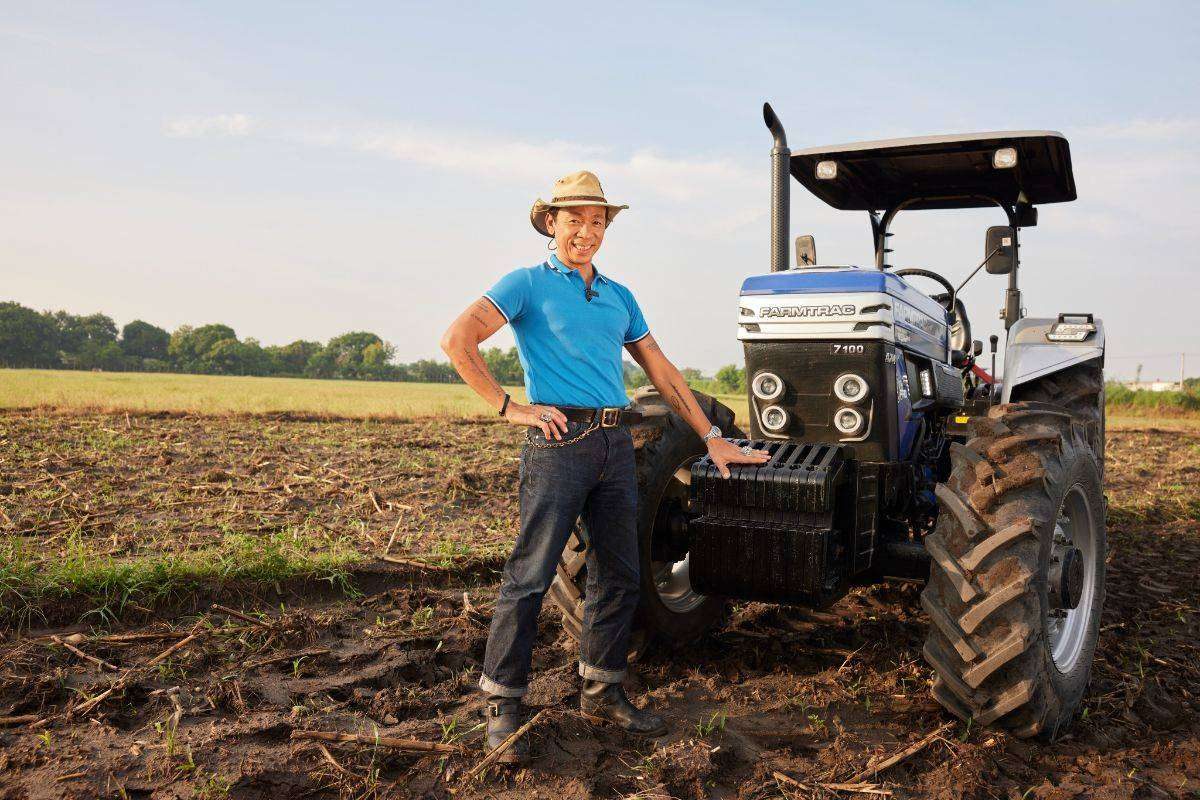
What do you need to know about tractor ballasting?
- Purpose of tractor ballasting
- How to ballast a tractor
- Tips on tractor ballasting
- Problems you might encounter
Proper ballasting is a topic that should be understood by tractor owners and operators because it affects the efficiency of this farm machinery. A properly ballasted tractor can provide plenty of benefits for you and your farm. If you’re interested, here is a guide to tractor ballasting. Keep on reading.
Purpose Of Tractor Ballasting
To accommodate imbalances in horsepower, a tractor often needs to have additional weight added. A tractor won’t work as efficiently as it should if it has too little weight. This increases the slip and doesn’t maximize the power that a tractor is capable of.
On the other hand, a certain amount of weight is needed for a tractor to transfer a horsepower of energy to the ground. This is achieved with extra weight, which is where ballasting comes in.
Ballasting refers to boosting the tractor mass reversibly. This process effectively improves the grip of the farm machinery and therefore slipping is reduced. This is usually done when your tractor will primarily be used for activities that require a high amount of traction. Since it increases the stability of the tractor, it’s also done when you need to operate on sloping grounds.
Ballasting has plenty of benefits, such as reducing the damage to the soil, improving the efficiency of the tractor, and maximizing the lifespan of the tires.
How To Ballast A Tractor
There are two ways a tractor ballast is done — with the use of metal weight or with water. This will depend on how your tractor will be used.
Metal Weight Ballast
A metal weight mass ballast is recommended if spreading the load between the front and the back of the tractor is needed. For instance, if you need your tractor to pull a light load, then it’s more beneficial to have most of the weight on the rear. This method is more flexible because you can adjust the weight as needed.
Water Ballast
Water ballasting is done to ballast a tractor for good. Keep in mind that this method will not allow you to redistribute the loads between the front and the rear. This is more cost-effective than a metal mass ballast, but you need to know if the tires are equipped with air or water valves.
In this method, the tires are filled with water up to 75% of the tire volume. The remaining space will be filled with air. There would be less air in the tire, so it would be beneficial to check the pressure frequently.
Tips On Tractor Ballasting
To help you successfully ballast your tractor, follow these tips below:
Check The Manufacturer’s Recommendation
Always consult the manufacturer’s guidelines with it comes to the compatibility of the tires with water ballasting. Other than that, it’s also important to check the optimal ballast recommendations depending on a specific application.
Use The Right Tires And Rims
The rims should be able to accommodate the weights put on them. Other than that, the tires should be the right size so that you can use lower pressures.
Pay Attention To Tire Inflation
Having overinflated tires while having increased weight might not be good for your tractor. For this reason, find a way to adjust tire inflation on the field, which will be helpful for fixing any compaction issues.
Problems You Might Encounter
Below are some of the issues you might encounter when ballasting your tractor.
Over ballasting
Too much ballast on a tractor can significantly reduce slipping, but it also causes greater rolling resistance. The added weight can cause the tractor to sink a long way into the soil, so the wheels have to constantly get over the rut. Over ballasting can increase fuel consumption and reduce productivity because of excessive weight. Other than that, it can also lead to more mechanical wear and increased soil compaction.
Ballasting when the tractor has no implement to pull is also risky, especially if the tractor is operated at speed. For water ballasted tractors, the liquid can create a pitching effect when cornering. This can compromise the stability of the tractor.
Under ballasting
An under ballasted tractor has an increased potential for slipping. This will only lead to wasted fuel and reduced field output. Other than that, this can also lead to the creation of furrows, especially in wet fields.
Key Takeaway
Ballasting is a way to increase the grip of your tractor. It’s useful for applications where you need increased traction because traction is related to weight. By ballasting, you can reduce slipping and increase the efficiency of your tractor.
Follow this guide to tractor ballasting if you want your farm machinery to be more efficient! If you’re interested in knowing more about tractors and other agricultural machines, you can contact us here at Ford Tractor. We can assist you when it comes to choosing the best equipment for your farm. This way, you can do your farm tasks in a more productive and less-laborious manner.