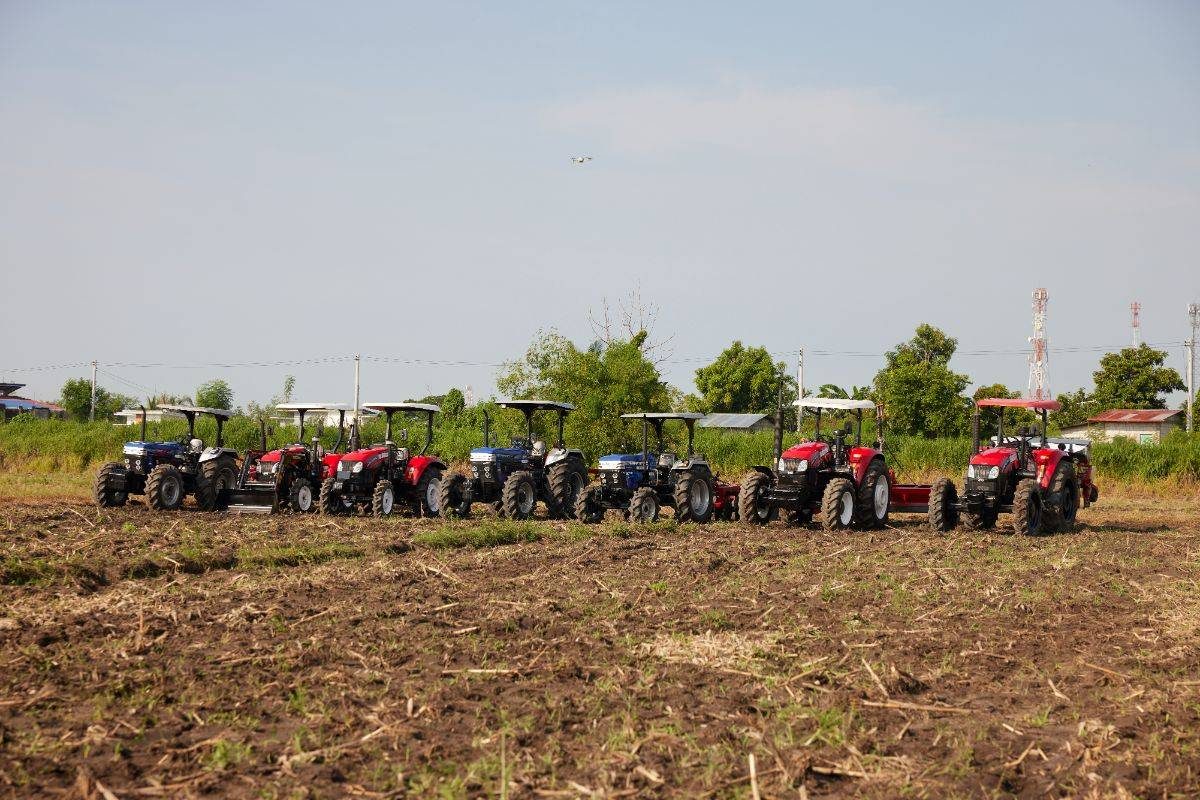
What are some tractor driving tips that you should follow?
- Complete training and understand the manual
- Always get enough rest
- Inspect the tractor before driving
- Be aware of your surroundings
- Take care on different terrains
- Understand the importance of stability
- Shut down the tractor safely
Tractors are one of the most essential farm machinery because they can help with various tasks — from land preparation, planting, harvesting, and many more. However, tractors are driven the same way as normal cars. For this reason, there are some important reminders and recommendations when it comes to operating the said farming equipment. Here are some tractor driving tips that you should follow.
Complete Training And Understand The Manual
Before attempting to drive a tractor, you must first complete training. A trained tractor driver will know the safety precautions to follow when operating this farming equipment. Compared to that, a person who isn’t trained in using a tractor can put himself and others at risk.
It’s also recommended to understand the operator’s manual before using the tractor for work. Read and follow the procedures in the manual. In this guidebook, you will learn the location and purpose of the controls and how to use them. This will help you react in emergency situations quickly.
Always Get Enough Rest
You can put yourself and others at risk if you operate a tractor while not feeling well. Stress, fatigue, haste, intoxication, and other things that affect you physically and mentally can be a cause of a tractor accident.
Compared to that, when you’re well-rested, you’ll be better aware of your surroundings and have better reaction times in times of emergencies, which will make a huge difference in an accident. Always get enough sleep and eat nutritious food, so you can be ready for work.
Inspect The Tractor Before Driving
Always complete a pre-operational check before using a tractor to ensure that it is in safe operating condition. Walk around the equipment and look for any defects, damages, problems, or abnormalities. Look for obstacles that may be under or near the tractor. Any defects and issues should be corrected immediately, as this can affect your performance and safety.
Be Aware Of Your Surroundings
As a tractor operator, you need to be aware of the environment you’re using the tractor in. Before setting out, you should look if there are people, animals, and obstacles on the path. Look for blind spots which might compromise your safety and the safety of those around you.
To maintain visibility of your surroundings, always take time to clean the windows and mirrors. Aside from that, make sure that the operator platform is free from objects or debris that may interfere with your operation.
Take Care On Different Terrains
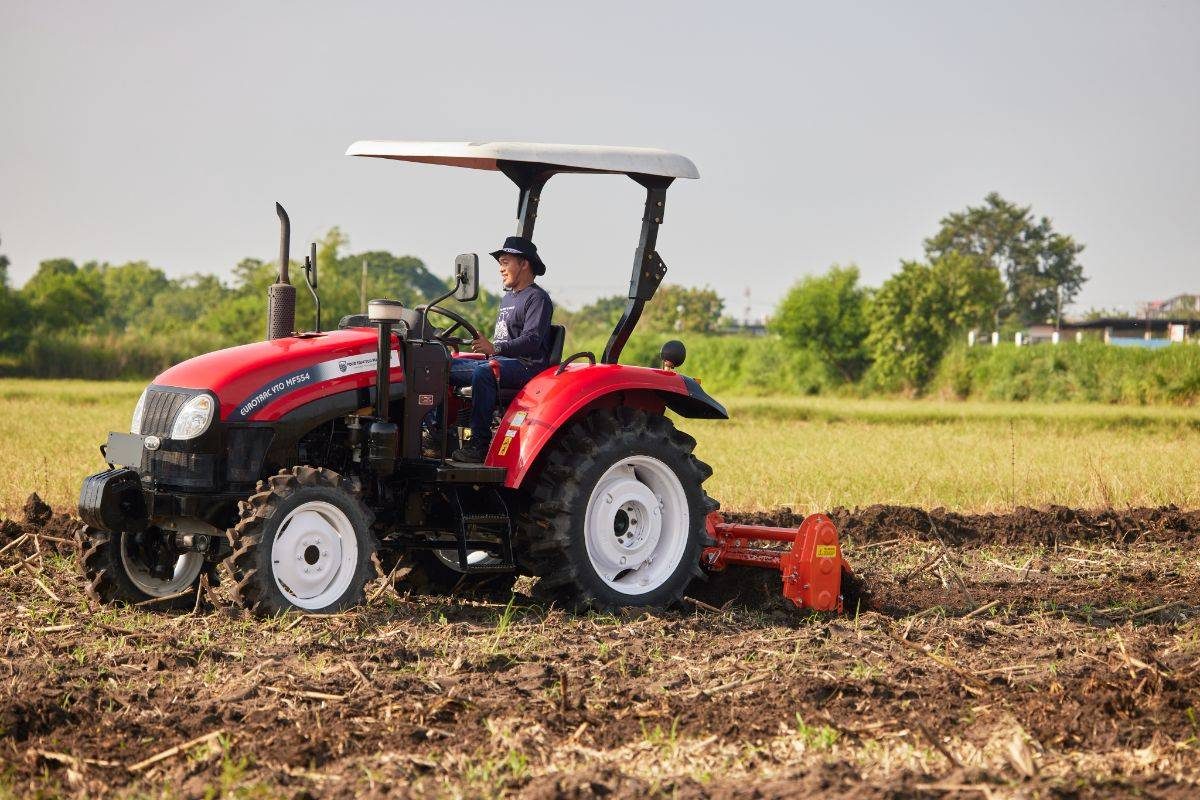 Farms have uneven and rough roads, which can make driving tractors more difficult. Always check the terrain when driving and ensure that it is free from hazards before continuing.
Be especially careful when driving around ditches and steep slopes. Driving forward up a steep slope can cause an overturn because the center of gravity is higher. Be alert for dips and raises that could cause an overturn. In addition, don’t drive too close to a ditch to avoid rolling into the ditch when you get too close to the edge.
Understand The Importance Of Stability
Tractors are sensitive to changes in their center of gravity. When you’re raising a load with a front loader, it also raises its center of gravity, making it top-heavy or less stable. Heavy attachments mounted at the rear of the tractor will also change the center of gravity to the rear, so be careful about flipping backward.
When you’re using front-end loaders, make sure to keep the bucket low while moving loads. Travel slow and keep your load even. When not in use, always remove the loader from the tractor.
Shut Down The Tractor Safely
Stopping the tractor safely involves a number of steps. Make sure to apply the brakes evenly, disengage the power take-off (PTO), and lower any hydraulically powered equipment to the ground. Place the gearshift lever in neutral or park and then set the brakes. Also, turn the ignition key off, and afterward, remove it.
Remember to allow the engine to cool down before turning it off and refilling the tank. Make sure also that other people know how to safely shut off the tractor too, especially in times of emergencies.
Key Takeaway
Before you drive a tractor, make sure to get proper training and understand the operator’s manual. Always make time to inspect the machine to ensure that it is in good condition.
Be aware of your surroundings as you operate the tractor, and make sure there are no people, animals, or obstacles on the path. Be conscious of the terrain you’re driving on to avoid accidents and ensure that the tractor is stable at all times. Other than that, remember to properly shut off the tractor and get enough rest for the next work day.
Follow these tractor driving tips, so you can safely operate a tractor on your farm! If you’re interested in farm equipment in the Philippines, you can check out our tractors, planting machines, harvesting machines, and other equipment here at Ford Tractor. Send us a message so we can assist you.