What is included in the guide to the proper harvest of rice?
- Harvesting Processes Involved
- Harvesting Methods Used
- When To Harvest
- Health And Safety Precautions During Harvest
Rice is one of the most important agricultural products in the Philippines. It’s widely grown in Luzon, Western Visayas, Central Mindanao, and Southern Mindanao. According to the Philippine Statistics Authority (PSA), palay production went from 19.07 million metric tons in 2018 to 19.32 million metric tons in 2020. If you want to ensure good grain quality, you need to know how to properly harvest your crops. Below is a guide to the proper harvest of rice. Keep on reading!
Harvesting Processes Involved
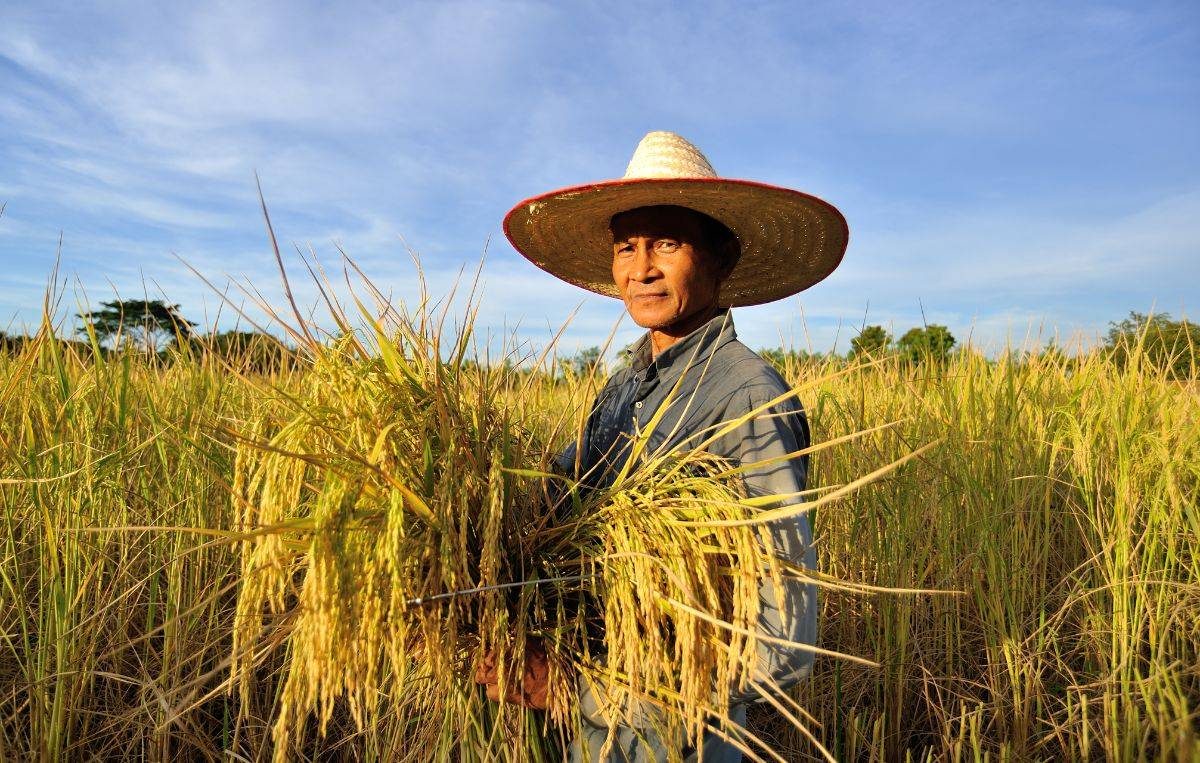 To properly harvest rice, the first thing that should be understood are the processes involved. Harvesting mature rice crops from the field involves various activities, such as reaping, stacking, threshing, cleaning, and hauling.
Reaping
Reaping is the first step of harvest and involves cutting the mature rice crop. The crop is typically cut by using a sickle and hand-held knife.
Stacking
Stacking refers to storing the harvested crop in stacks temporarily. This is an optional activity.
Hauling
Hauling involves moving the cut crop to the threshing location.
Threshing
Threshing involves separating the grain from the straw. This can be done by beating with sticks against a log, but this increases the chances of broken grains at milling. Common methods of manual threshing include using a pedal thresher, trampling, using a threshing rack, or using a flail.
Cleaning
Cleaning grains after harvest helps remove unwanted materials from the grain. This is important as clean grain has a higher value. Cleaning will also affect other activities, such as drying, storage, etc. During cleaning, the unfilled grains and straw are removed through winnowing. Weed seeds, soil particles, and other smaller impurities are removed through screening.
Harvesting Methods Used
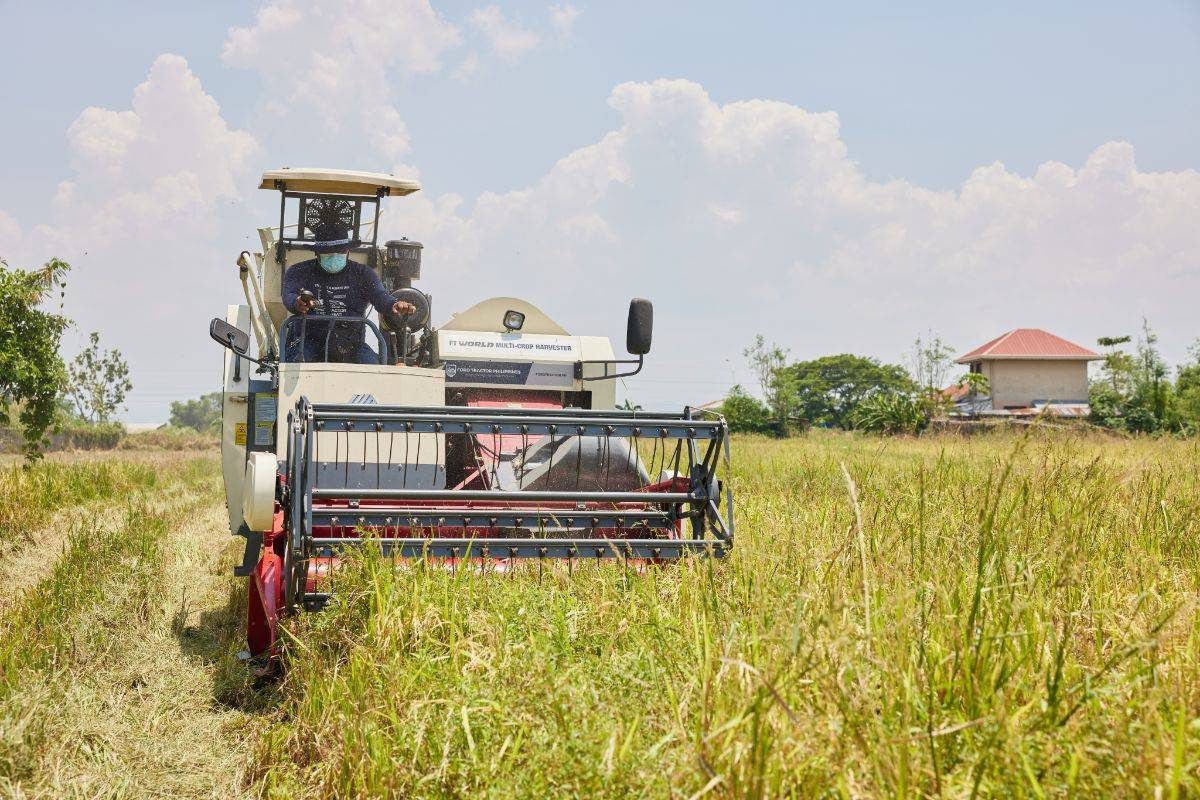 There are different methods used in the harvesting of rice. This will depend on the tools, equipment, and skills available to the farmers. This can be divided into manual harvesting and the use of mechanical equipment. Each one has its benefits.
Manual Harvesting
Manual harvesting involves the use of traditional tools, such as sickles and knives for reaping. Threshing racks and treadle threshers are used for threshing. This system is suitable for a lodged crop, which occurs when the stems weaken that they can’t support the grain, resulting in falling over.
But since the processes are manual, farmers have to have the right skills and also have to exert more physical energy. The grain is also susceptible to damage.
Mechanical Harvesting
Mechanical harvesting involves the use of harvesting equipment that can do most of the harvesting activities. A harvester can do the reaping, threshing, cleaning, and bagging. By using agricultural machinery, farmers can efficiently harvest rice with less labor. It also results in a cleaner harvest, as harvesting machines can eliminate grain loss.
Other than these, there are also semi-mechanical systems done on some farms. For instance, the harvesting can be done by hand and a mechanical thresher is used afterward.
When To Harvest
It’s important to harvest the rice on time to get the best grain quality and yield. Harvesting too early can result in collecting grains that are immature. These grains will have poor milling recovery and will break easily. Harvesting too late will cause the grain to fall from the panicle and result in heavy losses.
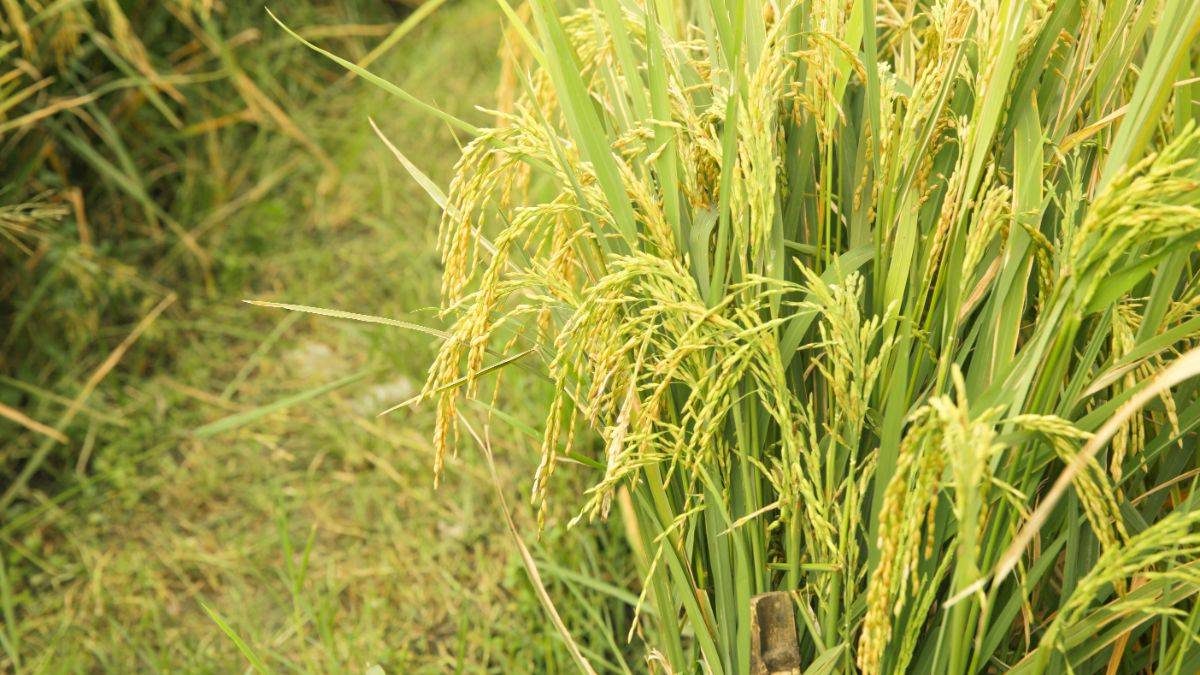
The best time to harvest will be when 80 to 85 percent of the grains are ripened or have a golden yellow in color. It’s also beneficial to check the moisture content, which should be between 20 and 25 percent. The ideal harvest time will also depend on the rice variety.
After harvesting, threshing should be done immediately. Cleaning is done after threshing, and afterward, the grains are dried.
Health And Safety Precautions During Harvest
There are some health and safety precautions that should be followed when harvesting rice, especially when using a mechanical harvester.
First, any agricultural machinery used for harvesting should be ready during the off-season, or weeks in advance before use. This way, the machinery is ensured to be in a safe and efficient condition. Routine maintenance should be done on schedule. All guards should be in place. Never attempt to adjust or maintain the machine when it’s on.
If the machinery hasn’t been used in a while, it’s also important to read up and refresh on manuals. Anyone who will use the equipment should be trained beforehand. Children should be kept off the farm equipment.
During harvesting, the operator should also wear the proper clothing. Tight clothing and tidy hair are a must to avoid entanglement with the machine.
Key Takeaway
Harvesting rice involves various activities, so doing each one manually can be tiring and labor-intensive. Fortunately, there is harvesting equipment available to make these processes more convenient and efficient. Just remember to know when to harvest and follow the safety precautions when using harvesting equipment.
Follow this guide to the proper harvest of rice, so you can achieve the best harvest. If you’re interested in purchasing harvesting equipment, you can contact us here at Ford Tractor! We have rice harvesters that can help you have a timely harvest and better quality grain.