How do you improve tractor performance?
- Perform proper tractor ballasting
- Choose the right tires for your tractor
- Practice Gear Up, Throttle Down (GUTD)
Tractors are one of the most important agricultural machinery you can use on your farm, whether you’re planting rice, corn, or other crops. With a long list of attachments and implements that you can use with this equipment, you can perform several tasks with more efficiency. But if you’ve been using your tractor for quite some time, you might be noticing a difference in performance due to improper usage or lack of maintenance. To help you, here are some tips on how to improve tractor performance. Keep on reading!
Perform Proper Tractor Ballasting
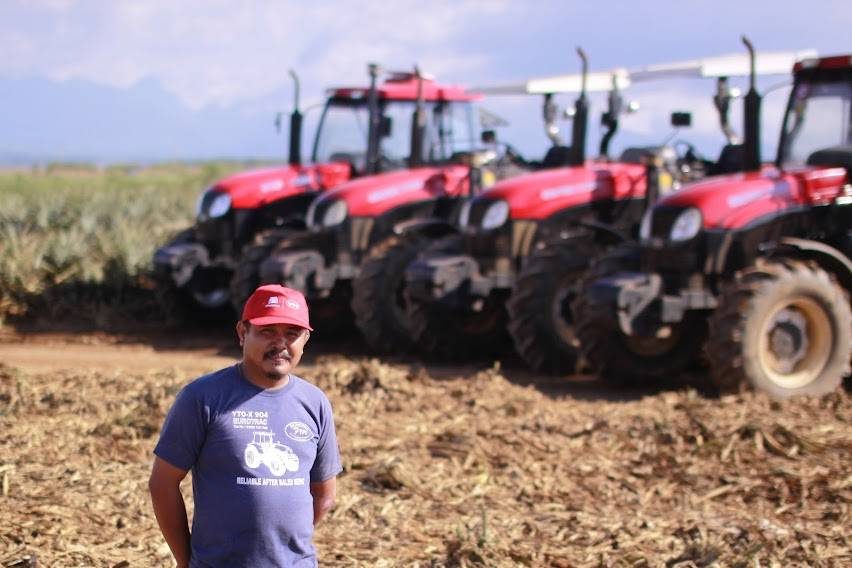
The weight of the tractor, and how it is distributed, greatly influences the performance of your farm equipment. Proper tractor ballasting can help improve the stability and traction of your tractor. It involves adding weight to make up for imbalances in horsepower.
For instance, plowing requires plenty of traction. For reference, traction capacity is influenced by the weight of the equipment. With ballasting, you can reduce slips and increase the grip of the tractor, which is necessary for plowing. On the other hand, over and under ballasting can lead to less fuel efficiency. It could also cause premature wear and tear on your equipment.
You have two options when it comes to how to ballast your tractor. First, you could use a metal weight ballast, which involves placing metal weights on the tractor or wheels. This is useful when you want to spread the load between the rear and front areas of your equipment. Remember that you have to spread the weight equally if you have a heavy load. If you’re carrying a lighter load, you can put most of the weight on the rear.
Second, you could also use a water ballast, which is more of a permanent option. This involves partially filling the tires with water. Make sure that your tires are designed for this by checking with your manufacturer. In this option, you can’t freely adjust the loads as you need.
Choose The Right Tires for Your Tractor
Selection and inflation of tires will significantly affect the performance of your tractor. When shopping for this part, consider the terrain and the environment where it will be used.
For instance, bias-ply tires are made of more durable sidewalls, so they’re suitable when you’re going through rough terrain with obstacles and debris. They’re cheaper to replace, repair, and maintain.
But if you’re driving on harder ground, consider radial tires instead. These tires can be used at lower air pressures — which improves efficiency and fuel economy. Aside from that, these can reduce wheel slip and compaction. To get the most out of your radial tires, you can use the lowest recommended pressure for the load you will carry.
Proper tire inflation can also impact the performance of your tractor, as overinflating will only waste the capabilities of your farm equipment. For instance, you will lose the benefits of a bigger contact patch. On the other hand, under inflation can put unnecessary stress on your tires.
Practice Gear Up, Throttle Down (GUTD)
While operating an engine at maximum load is a fuel-efficient way to use a tractor, some field tasks might not require you to use the full horsepower of your equipment. This happens during light operations or when you use older implements that are made for a smaller tractor on a high-performance one.
That’s why if you want to improve tractor performance while saving on fuel, you need to practice the GUTD. This involves shifting to a higher gear and reducing the engine rpm to maintain the desired field speed. Your goal here is not to increase the speed of your operation, but to save on fuel.
It’s recommended to practice GUTD on light load operations that only require less than 70% of the engine power. Remember to prevent overloading the engine too. If you’re unsure, check with the operator’s manual regarding the recommended rpm working range.
Speaking of saving on fuel, it’s also a good idea to shut off the tractor when not in use for 5 to 10 minutes, as idling will just lead to wasted fuel. Aside from that, it can cause a buildup of carbon in some components of your tractor.
Key Takeaway
By improving tractor performance, you can get boost your productivity and save on fuel. This is essential if you rely on this agricultural machinery for your farming business.
In this article, you have learned the three ways on how to improve tractor performance. But aside from this, don’t forget to keep up with preventive maintenance too! If all components of your farm machinery are inspected and serviced regularly, you can maintain peak performance and prolong its lifespan.
Fortunately, we offer after-sales services here at Ford Tractor. Aside from our service centers and professional mechanics, we can also provide you with affordable spare parts for repairs and replacement.