What are some tips for tractor storage?
- Find a cool and dry storage area
- Clean your tractor
- Perform repairs and maintenance
- Check the engine thoroughly
- Disconnect the battery
- Prepare the tires
- Read your manufacturer’s manual
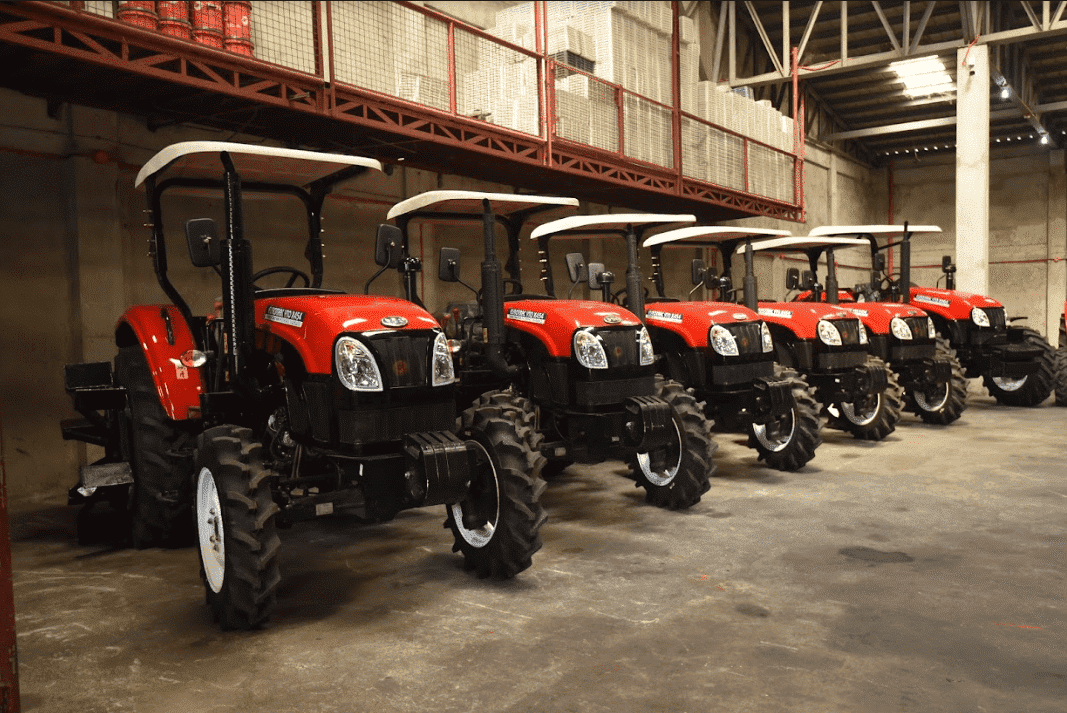
Your tractor is important farm machinery that you use to do various tasks such as preparing the fields, planting seeds, harvesting crops, loading goods, and many more. But if you’re not planning to use your tractor during the off-season, it’s important to prepare it for storage. This way, when you need it, you will be able to maintain its best condition. If you want to learn how, below are some tips for tractor storage.
Find a Cool and Dry Storage Area
The first thing you need to do is to find the proper storage area for your tractor. Leaving it exposed to different environmental elements can cause irreversible damage to your farm equipment.
Make sure to store it indoors in a dry and cool area, away from sunlight, heat, and moisture. It’s best to store the tractor indoors, but if you have to store it outdoors, use a waterproof cover to protect the machine. Jack the tractor upwards and have the tires off the ground by placing blocks under the front and rear axles.
Clean your Tractor
Before you store your tractor, make sure to give it a good cleaning first. You will be storing your farm equipment for a long time, so if you want to be able to use it with minimal preparation, make sure that it’s clean. This will also preserve the condition of the tractor and protect it from long-term damage caused by dirt and debris.
You can use a pressure washer to make cleaning easier. Use mild detergents that are meant to be used on cars and tractors. Remember to avoid letting water or soap get into the electronics. After washing, lubricate the grease joints.
Perform Repairs and Maintenance
Other than cleaning, take some time to inspect your tractor. Perform repairs and replacements if you find signs of damage. It’s better to correct problems now, to prevent them from worsening over time. This way, you can immediately use your tractor the next time you need it.
Check the Engine Thoroughly
Make sure to check the engine properly before storing the tractor, so you can ensure that it will work properly next time you use it. Inspect the engine area and clean it. Check the engine oil, coolant, and filters, and top off fluid levels when necessary. Drain the oil and replace the filter, especially when the oil is discolored and sludgy. In addition, don’t forget to drain the fuel and put in fresh fuel. A fuel stabilizer is important too.
Disconnect The Battery
When you need to store the battery for a long time, you need to remove the battery from the tractor. It’s also important to adjust the electrolyte to the proper level. Store the battery in a dry place away from sunlight.
Keep in mind that the tractor battery can self-discharge. Check on it frequently and recharge every 3 to 6 months, depending on the weather.
Prepare the Tires
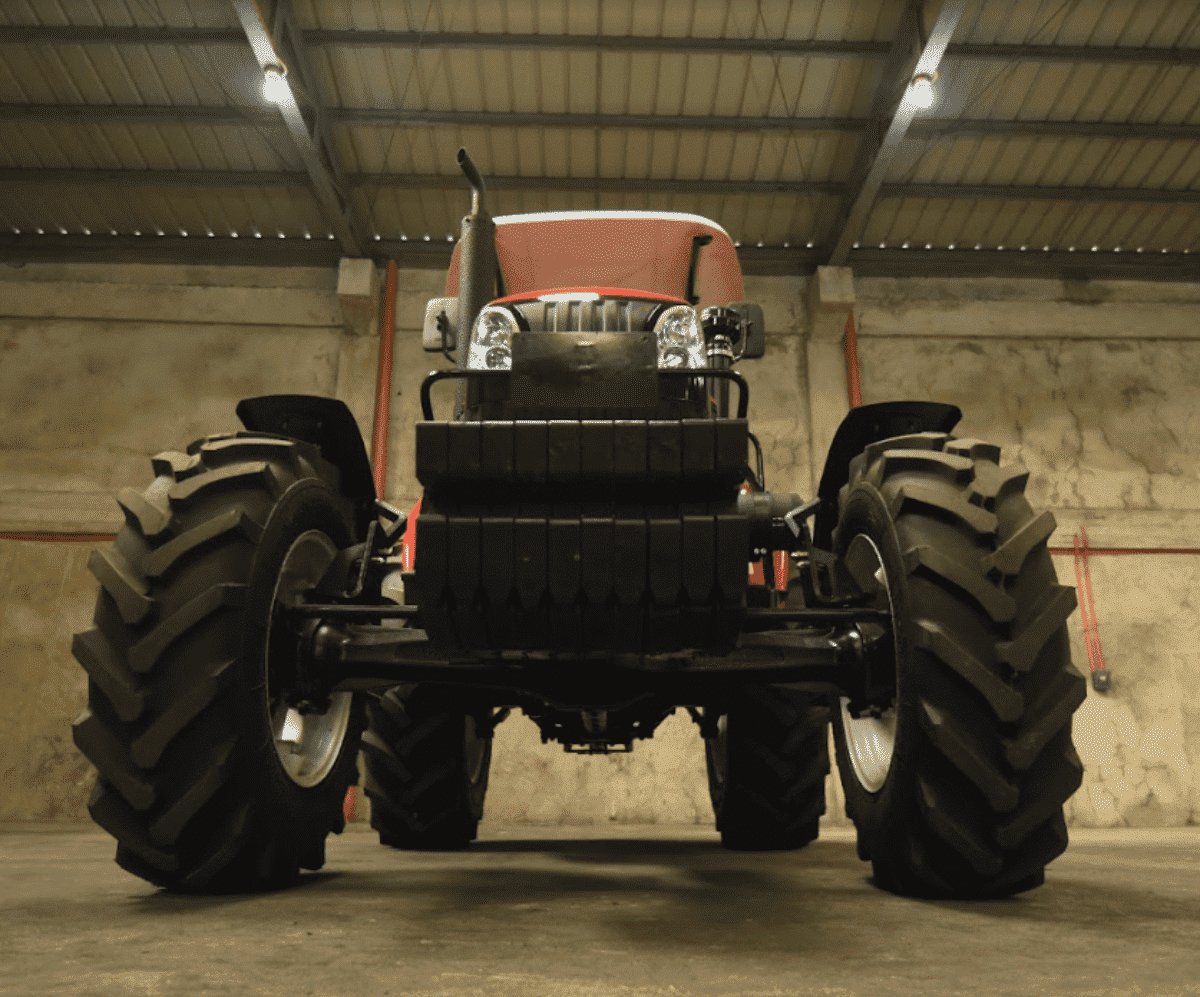
Tractor tires can be costly, so it is also important to take care of them prior to storage. Look for signs of wear and tear and ensure that repairs are performed when needed. Clean the tires properly and release the tire air to ⅓ the recommended air level. Using stands or blocks to support the tires is beneficial in preventing flat spots from forming.
Read your Manufacturer’s Manual
The best way to prepare your tractor for storage is to read the manual that comes with it. It will provide a clear guide on the things you need to do and how to perform them. Each tractor differs, so it’s important to refer to the manufacturer’s manual, so you can do the best for your tractor.
By following the instructions on the manual, you will ensure that that tractor is ready to operate when it is removed from storage — with minimum preparation needed. Aside from the procedures on how to store the tractor, the manual will also outline information on how to remove the tractor from storage.
Key Takeaway
It’s important to prepare a tractor prior to storage, so you can lessen long-term damage due to dirt and grime, solve small problems before they worsen, protect it from the elements, and keep the tractor in the best condition. If you want to know the exact procedures, you can consult your manufacturer’s manual for more information for tractor storage.
Follow these tips for tractor storage so you can use your farm equipment without problems the next time you need it! If you need help in maintaining your tractor, you can contact us here at Ford Tractor. Aside from providing high-quality tractors and other farm equipment in the Philippines, we can also offer after-sales services and spare parts when you need them.