What are the tips to improve corn production?
- Plant high-quality seeds
- Check the soil before planting
- Use the crop rotation technique
- Don’t forget to use fertilizer
- Consider the planting depth and spacing
- Invest in the right farm equipment
Corn is considered the second most important crop in our country. Aside from human consumption, it is used as animal feed too. Other than that, it’s also processed into syrup, starch, and oil. If you’re one of the farmers that rely on corn for your livelihood, it’s important that you know how to maximize your yields and produce high-quality crops. This involves the right planting methods and using a harvester in the Philippines. Keep on reading to learn about some tips to improve corn production.
Plant High-Quality Seeds
Before you plant the corn seeds, it’s important to check their quality first. This will affect the growth speed, health, and expected yields of the crop.
The quality of the seed will depend on the plant that it came from. Aside from the health and vigor of the plant, the type also matters. For instance, there are hybrid seeds that grow faster and stronger.
The environment and the care that goes into the plant that produced the seed also matters. Choose seeds that are grown in the right conditions and avoid ones that were exposed to stress—such as drought.
Check The Soil Before Planting
Other than the seed, it’s also important to check if the soil is in the right condition for planting. For one, make sure that the soil isn’t wet as this can promote compaction, which is a situation where the soil is pressed together. This can inhibit root development in the plant as the roots have to exert extra effort to penetrate the dense soil.
The next thing you need to do is to test the soil. This way, you will know if your corn plants will get the nutrients they need. The primary nutrients you need to prioritize are potassium, phosphorus, and nitrogen. Calcium, magnesium, and sulfur come second. Check the pH of the soil too, as this can affect the crop’s nutrient uptake. Aim to have a pH of 6 to 7.
Use The Crop Rotation Technique
If you’re only planting corn on the same soil each season, you might not be getting the best results. This is why it’s recommended to do the crop rotation technique on your farm when you can. This involves planting an alternating crop after harvesting the corn.
The benefit of crop rotation is that it can improve soil health. If you keep using the same crop each season, then you continuously drain the same nutrients from the soil. Eventually, the soil will get less fertile for that crop. Pests will also reproduce in high amounts as they get used to the crop. But if you practice rotation, you can reduce these problems, as different crops have different nutrient needs. This way, you can keep the land fertile.
Don’t Forget to Use Fertilizer
Now that you know the importance of good-quality soil, don’t forget to use fertilizer. This is one of the foundations of plant health, which is an important factor in improving yields and quality.
To do this, you can place starter fertilizer close to the seed when planting. This is beneficial when the root growth is affected by the weather, pests, or the like. Placing it near the root zone is recommended as it can improve plant uptake and boost early growth.
Consider The Planting Spacing
Many farmers believe that planting more seeds is equivalent to better yields. Contrary to that belief, the right plant spacing can improve your corn production.
Crops need nutrients to survive. These come from the sun, soil, and fertilizer. So imagine having more seeds that your land can accommodate. The plants will have to compete for nutrients. Diseases could spread easily too.
That’s why it’s important to have proper spacing between seeds so all the plants can perform well. This also makes harvest easier as you can access your crop from all sides.
Invest in The Right Farming Equipment
From planting, harvesting, and more—corn production can be labor-intensive without the right machinery.
For instance, if you plant the seeds by hand, you can’t ensure that all are properly spaced or placed at the right depth. It also requires plenty of manpower and hours of work just to complete a whole field. But with a corn planter, you can plant the seeds with equal spacing and depth. It’s also faster compared to manual planting so a single farmer can cover more land.
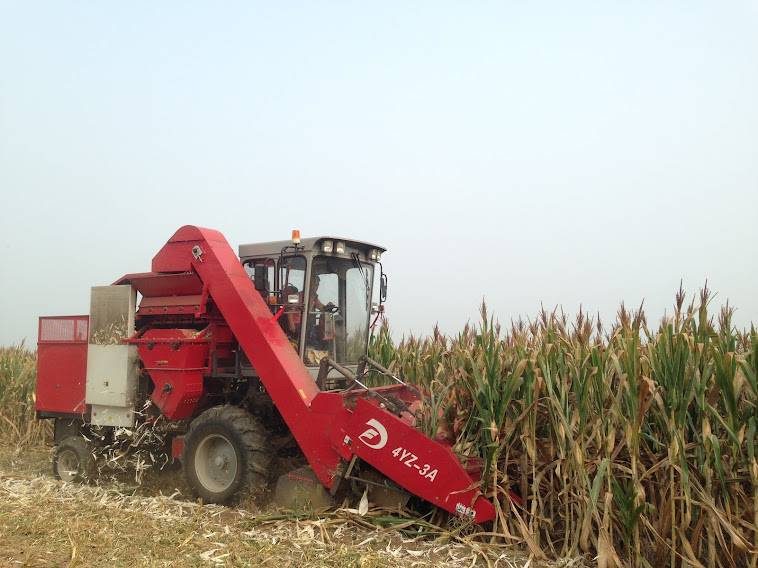
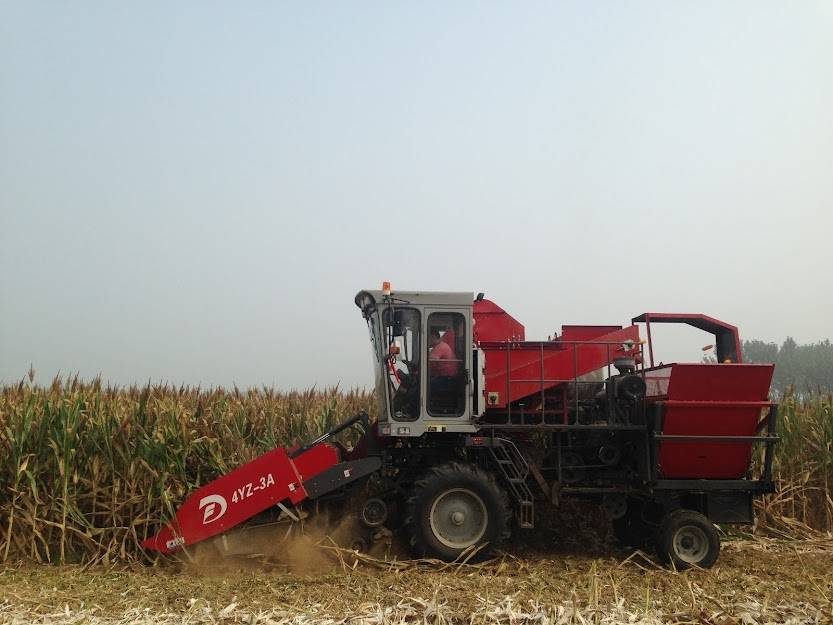
If you want to speed up the harvesting process so you can prepare the soil for the next crop, a corn harvester is also recommended. Depending on the capacity, you can harvest multiple bags of corn in an hour. Another benefit of using a corn harvester is that it can reduce losses too.
Key Takeaway
From seed selection, soil preparation, planting, and harvesting—you can follow these tips to improve corn production to produce higher yields and improve crop quality.
If you’re looking for farm equipment such as corn planters and harvesters, you can contact us here at Ford Tractor! Other than providing you with high-quality machinery, we’re also committed to bringing you the best after-sales services. We have technicians that can assist you in our company-owned service centers across the country.