What are some tips to reduce farm equipment repair costs?
- Plan your purchase
- Share the expense with a co-owner
- Prioritize preventive maintenance
- Spot problems through inspections
- Keep maintenance records
- Train your team
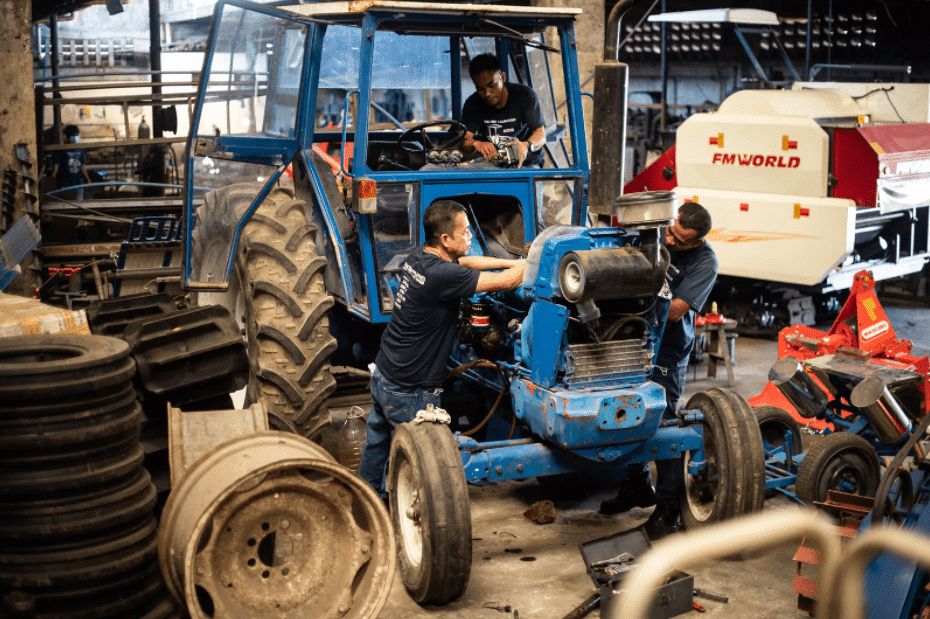
Whether it’s your tractor, rice transplanter, harvester, or other agricultural machinery — keeping your farm equipment well-maintained is key to reducing repair costs in the long run. In addition to that, you must make sure that you’re using the right equipment for your needs as to not overuse the machine. Make sure that the operators know how to use the equipment within its limits. To save even more, you can also consider joint ownership. Interested in learning more about these tips? To reduce farm equipment repair costs, keep on reading!
Plan Your Purchase
Before purchasing a piece of agricultural equipment, you will need to consider the size, capacity, and model that fits your farm. By matching your needs to the machinery you plan to buy, you can reduce your repair costs in the long run. Compared to this, using equipment that falls short of the capacity you require will just lead to premature wear and tear.
When talking with a potential supplier, it’s also beneficial to discuss after-sales service and spare parts availability. Opt for suppliers that offer these locally, so you can save on costs. You can also discuss maintenance considerations in advance to plan for future expenses.
Share The Expense with A Co-Owner

If you want to reduce both the upfront cost of purchasing farm equipment and the cost of repairs, you can consider joint ownership. This is especially beneficial for smaller farms and start-up businesses. You and a co-owner will share the expenses, so you can include other farm needs in your budget.
Before deciding on joint ownership, you will need to create an official agreement with your potential co-owner, even if they’re your family and friends. Put down in writing information about how the equipment will be used, maintained, and paid for.
Prioritize Preventive Maintenance
Some equipment owners only take action when a problem is spotted. Although sometimes this will be the case, you also need to be proactive when it comes to maintenance. The goal of this is to catch and resolve problems before they occur, so you can prevent components from breaking down unexpectedly.
Fortunately, your agricultural equipment will come with a manual that can teach you about maintenance procedures. This includes regularly changing filters, liquids, belts, and more.
If you don’t have a qualified in-house mechanic who has the skills to maintain your equipment properly, you can ask for assistance from your supplier. This way, you can prevent trial and error — which can be costly.
Spot Problems Through Inspections
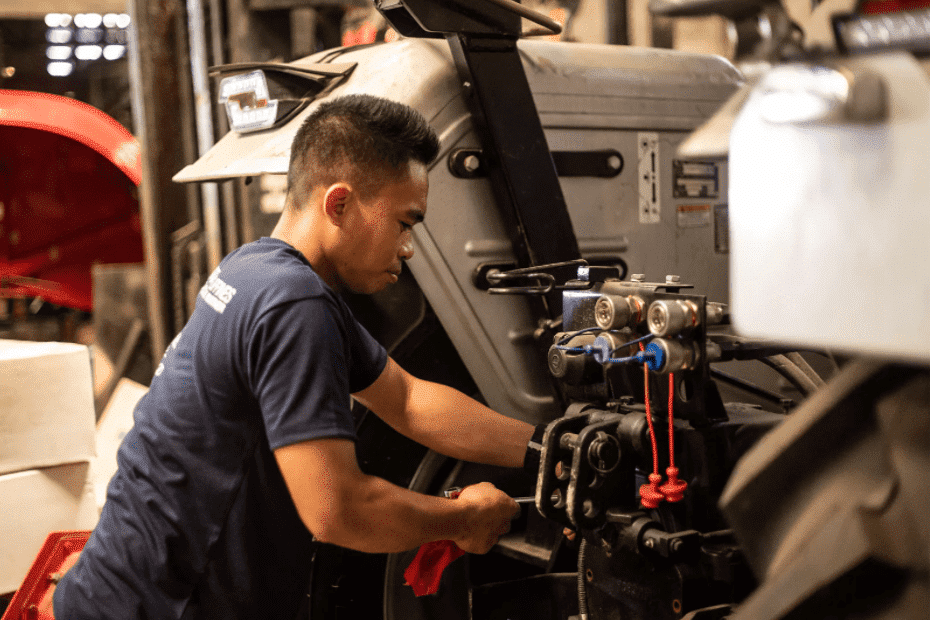
If you want to lower your repair costs, you need to prevent minor equipment issues from escalating into bigger problems. This is where daily inspections will be beneficial. Including this in your operators’ daily tasks can help you spot issues in their early stages. This way, you can address the issue immediately and reduce the likelihood of large-scale problems, which could be costly.
It might seem tedious to perform daily inspections, but it would just take a few minutes of your time. It will also keep your operator, other workers, and your farm safe. You can print a checklist to make this task easier while ensuring all components are inspected.
Keep Maintenance Records
It’s important to document the inspections and repairs you perform, as this will help you keep track of the maintenance work done on your equipment. By keeping records, you will have an idea of when repairs are expected — helping you prevent expensive repair works from happening. Make records as detailed as possible, so you can tell which equipment is costing you the most.
Aside from this, it will also help you track down who or what is responsible for premature wear and tear on your agricultural machinery. This way, you can conduct training and adjust your operations effectively, so you can reduce repair costs in the future. Other than that, this will also motivate the operators to take care of their equipment better.
Train Your Operators
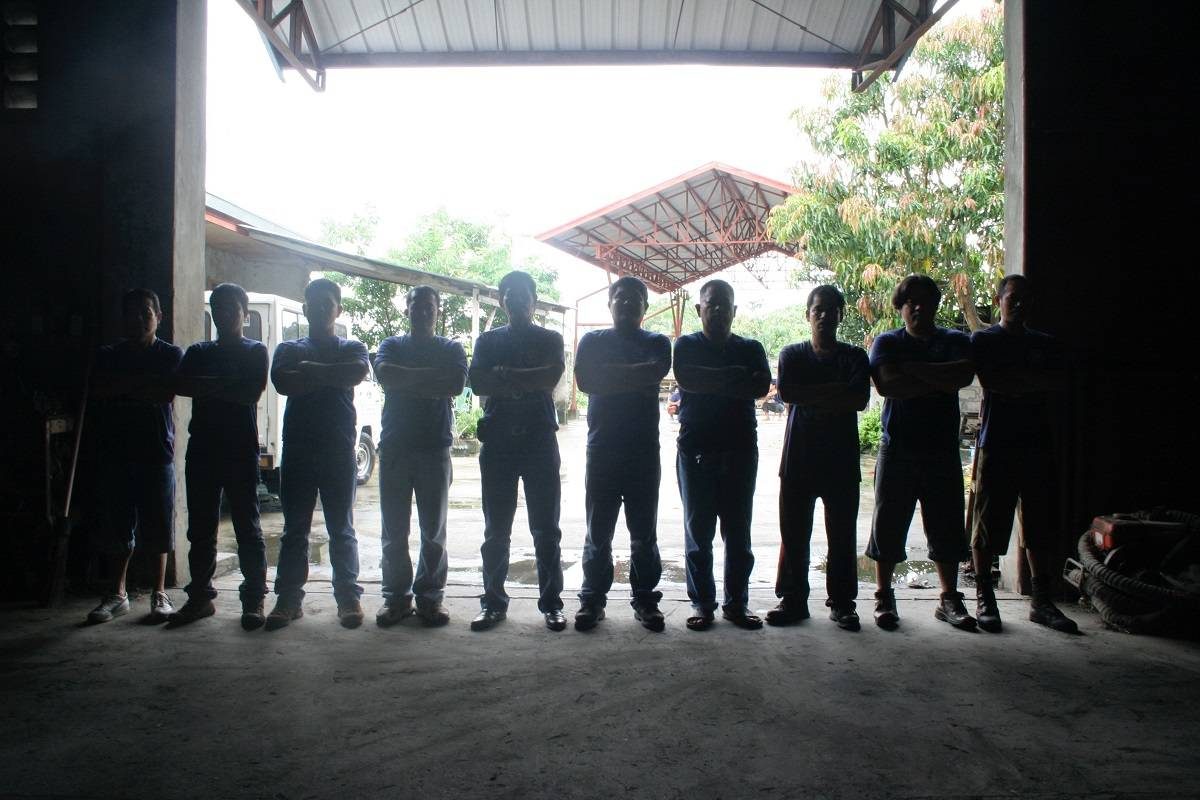
Speaking of your operators, they’re a key aspect in reducing your repair costs because they work directly with the equipment daily. Through proper training, they will learn how to operate the farm equipment within limits. This way, you can prevent premature wear and tear.
Training also helps your operators understand the importance of keeping farm equipment in the best condition. If they know how to spot problems early, you can detect malfunctions faster and reduce overall repair costs.
Key Takeaway
For more tips to reduce farm equipment repair costs, you can contact us here at Ford Tractor. We can help you choose the right agricultural machinery that matches your farm’s needs. With tractors, planters, harvesters, and more — we have plenty of machinery that will fit your requirements.
We also have professional technicians that are always ready to help you with your service requests. If you require spare parts, we are glad to inform you that we always stock up our outlets and only offer products at competitive prices.