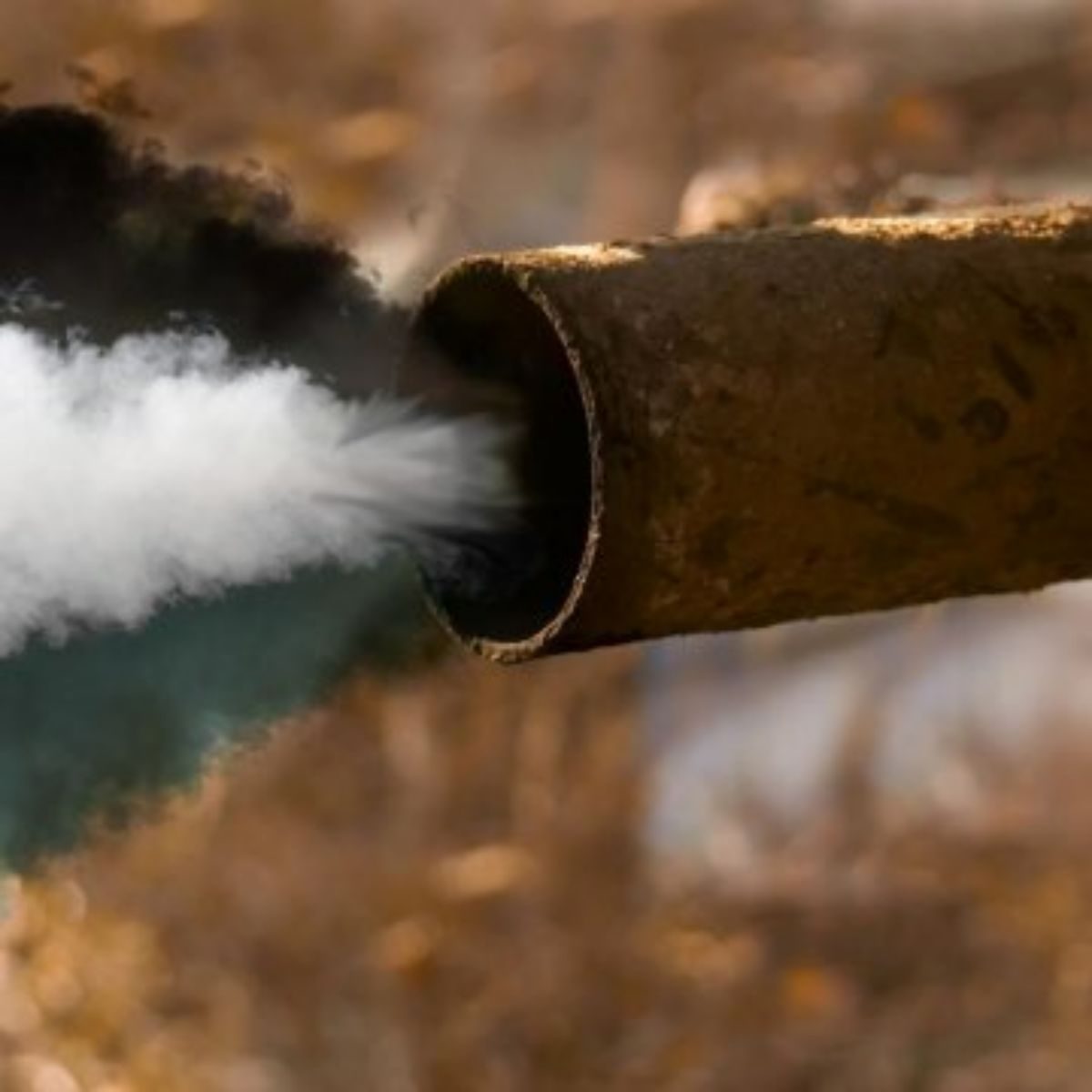
What are tractor smoke signals and their causes?
- White smoke
- Black smoke
- Blue smoke
Whether you’re driving a sedan, an SUV, a truck, or a tractor, one thing’s for sure: Different types of smoke signals can mean a lot of different things. Usually, smoke signals indicate engine problems as well. That’s why if you own a tractor or planning to get one for your farm in the future, knowing the different tractor smoke signals can be helpful. This way, you won’t be left wondering what to do or neglect a serious engine problem that needs fixing.
If you’re interested to know what are the different tractor smoke signals and what causes them, keep on reading!
White Smoke
For tractors with modern diesel engines, white smoke is usually present during startup. This is typically the case when the tractor is stored in a cold environment. Cold air can lower the temperature in the engine cylinders, which leads to reduced fuel combustion. The white smoke exhausted is usually the result of unburned fuel.
White smoke should disappear when your tractor engine starts to warm up. This should not happen while you’re operating your tractor, as the engine is already hot at that stage.
Normally, your tractor should not produce any white smoke at operating temperatures. However, some older diesel engines tend to release smoke when accelerating under load. If your tractor continues to produce white smoke while operating, it could happen due to several things:
- Misfiring cylinders due to malfunctioning injectors
- Plugged crankcase breather
- Poor quality fuel or wrong fuel grade
- Clogged fuel filter
- Water or coolant in the exhaust
- Air in the fuel system due to loose parts
- Defective coolant temperature sensor
- Faulty atmospheric pressure sensor
If you suspect that one of these things is causing white smoke signals from your tractor, it’s better to have your engine checked by a professional technician to pinpoint the cause and fix any problems.
Black Smoke
In most cases, black smoke is produced when your tractor’s engine is using too much fuel. This indicates that there is something wrong with the combustion process of the engine. There are several causes for this.
Normally, diesel engines require a mixture of fuel and air. Black smoke forms when there is too much fuel in the mixture or not enough air being put in. In this case, incomplete combustion occurs. If your tractor is putting out black smoke, then it can’t provide you with the power and mileage you expect it to. Aside from the smoke, you’ll also notice a loss in power.
There are a variety of reasons why your tractor produces black smoke. For one, your fuel injector pump might be faulty and clogged with solid carbon residue. When this happens, you’ll need to clean or replace it. Another possible cause of black smoke is a bad air filter, which might be the main reason why there’s not enough air getting in. In this case, you can replace the filter and see if the problem still persists. Aside from these, you might also be overloading the engine.
Here are the other causes of black smoke:
- Dirty air filter
- Dirty EGR valve
Blue Smoke
The blue smoke signals from tractors appear like white smoke with a bluish tint. This is typically accompanied by an oil odor.
If your tractor is producing blue smoke, then it is not a fuel-related problem. Instead, the engine is burning too much oil. This is caused by a variety of things:
- Glazed cylinder liner
- Plugged air filter
- Damaged air filter
- High oil level
- Old oil
- Broken piston rings
- Worn valve guides
If the blue smoke is present only for a short period after you start the engine, then the cause might be the worn valve seals or guides. But if the blue smoke blows when the tractor is operating, then it might be caused by a glazed bore, which is a result if you’re only using your tractor for light work.
If you want to find out the specific cause of the blue smoke, you can perform a cylinder compression check. Don’t forget to check if the turbocharger seal is leaking.
Key Takeaway
It’s helpful to know how to read different tractor smoke signals as these can help you diagnose the health of your tractor. By knowing what each color indicates, you won’t be left confused and panicking once they occur while you’re operating your tractor. Instead, you’ll know what to look for, which can help you fix the root problem.
If you need help diagnosing a problem in your tractor, you can contact us here at Ford Tractor! Aside from providing top-grade and high-quality agricultural machinery, we also have a team of professional technicians and mechanics that can help take care of your farm machinery. Currently, we have a total of seven service centers all around the Philippines that are equipped with the right equipment and staffed by experienced technicians that can help you.
For any questions and inquiries regarding our products and services, you can send us a message here. Aside from tractors, we also offer planters, harvesters, and other farm equipment in the Philippines.